Because Behind Every Business, There’s a Person
Thursday, October 22
Comparing Fat Transfer Techniques: Which is Best for You?
Articles on My Small Towns may be written for a business with a paid listing. When they are, that business is named as the author. How this site works.

Table of Contents for Comparing Fat Transfer Techniques: Which is Best for You?
Fat transfer has become one of the most sought-after body contouring procedures in St. Augustine and throughout St. Johns County. This innovative technique allows you to reshape your body using your own natural fat, moving it from areas where you have excess to areas where you want more volume or definition. Whether you’re considering enhancing your buttocks, adding volume to your face, or improving breast contours, understanding the different fat transfer methods available can help you make the best decision for your goals.
The growing popularity of fat transfer procedures stems from their natural results and dual benefits—removing unwanted fat from one area while enhancing another. For residents of St. Augustine, St. Augustine Beach, and Ponte Vedra Beach, several advanced techniques are available, each with unique advantages depending on your specific needs and desired outcomes.
Your Main Options
When exploring fat transfer methods in St. Augustine, you’ll encounter several established techniques that plastic surgeons use to achieve different results. Understanding these options helps you have more informed discussions with potential providers.
Traditional Liposuction with Fat Grafting remains the most common approach. This method involves using a cannula to harvest fat from donor areas like the abdomen, thighs, or flanks, then processing and re-injecting it into the target area. The technique offers predictable results and works well for larger volume transfers, making it popular for Brazilian butt lifts and breast augmentation procedures.
Power-Assisted Liposuction (PAL) Fat Transfer uses gentle vibration to break up fat cells during harvest, potentially causing less trauma to the fat cells and improving their survival rate when transferred. This method can be particularly effective when you need fat from fibrous areas or when precision is crucial.
Ultrasound-Assisted Fat Transfer employs ultrasonic energy to liquefy fat before removal, which some surgeons prefer for certain body areas. While this technique can make fat removal easier in dense areas, the heating effect may impact fat cell viability for transfer.
Water-Assisted Liposuction (WAL) for Fat Transfer uses a pressurized water stream to dislodge fat cells, theoretically preserving more viable cells for transfer. This gentler approach may result in better fat survival rates, though the technique requires specialized equipment.
Micro-Fat Transfer involves processing harvested fat into smaller particles, allowing for more precise placement and potentially better integration with surrounding tissues. This technique works particularly well for facial fat transfer and areas requiring subtle enhancement.
How to Compare
Evaluating different fat transfer techniques requires considering multiple factors that directly impact your experience and results. Cost often serves as an initial screening factor, with traditional methods typically being more affordable than newer technologies. However, focusing solely on price can be misleading.
Recovery time varies significantly between techniques. Traditional liposuction with fat grafting usually requires 2-4 weeks for initial recovery, while gentler methods like water-assisted techniques may reduce downtime. Consider your lifestyle and work commitments when evaluating options.
Fat survival rates represent a crucial comparison point, as not all transferred fat will establish blood supply in its new location. According to the American Society of Plastic Surgeons, survival rates can range from 30-70% depending on the technique used, your individual healing response, and the skill of your surgeon. Gentler harvesting methods may preserve more viable fat cells.
The volume you want to transfer also influences technique selection. Large volume transfers, such as those needed for significant buttock enhancement, may require traditional methods that can harvest substantial amounts of fat efficiently. Smaller, more precise applications might benefit from micro-fat techniques.
Your body type and available donor fat play important roles in technique selection. Some methods work better with certain fat consistencies or in specific body areas. A thorough evaluation by an experienced surgeon helps determine which approach suits your anatomy.
Long-term results vary between techniques, with some offering more predictable outcomes than others. Newer methods may promise better results, but traditional techniques have longer track records for safety and effectiveness.
Red Flags to Watch For
When researching fat transfer options in St. Johns County, certain warning signs should prompt you to look elsewhere. Be cautious of providers who guarantee specific results or promise unrealistic outcomes. Fat transfer results depend on numerous individual factors, and reputable surgeons will discuss realistic expectations.
Extremely low prices often indicate corners being cut in safety, sterility, or surgeon experience. While cost matters, suspiciously cheap procedures may use inferior techniques or lack proper medical oversight.
Providers who pressure you to decide immediately or offer limited-time deals for surgical procedures raise red flags. Legitimate plastic surgery practices encourage patients to take time for consideration and often require multiple consultations before scheduling procedures.
Be wary of facilities that cannot provide clear information about their surgeons’ credentials, board certifications, or experience with fat transfer procedures. The Aesthetic Society Professional Standards emphasize the importance of proper training and certification for cosmetic procedures.
Avoid providers who dismiss your questions about risks, complications, or alternative treatments. Professional surgeons welcome informed discussion and provide comprehensive information about all aspects of the procedure.
Watch for unrealistic before-and-after photos or testimonials that seem too good to be true. Authentic results show natural variation and realistic improvements rather than dramatic transformations.
When to Call a Professional
While researching fat transfer methods provides valuable background knowledge, certain situations require professional consultation. If you’re considering any fat transfer procedure, schedule consultations with board-certified plastic surgeons who specialize in body contouring.
Complex cases involving multiple areas or significant volume transfers definitely warrant professional evaluation. Your surgeon can assess your anatomy, discuss realistic expectations, and recommend the most appropriate technique for your goals.
If you have underlying health conditions, take medications that affect healing, or have had previous surgeries in the treatment areas, professional guidance becomes essential. These factors can influence technique selection and expected outcomes.
When you’re uncertain about which areas to treat or how much change you want to achieve, experienced surgeons can help you visualize potential results and choose appropriate approaches. Many practices, including Florida Plastic Surgery Group, offer comprehensive consultations to help patients understand their options and make informed decisions about body contouring procedures.
Consider professional consultation if you’re interested in combining fat transfer with other procedures, such as those discussed in our article about Comparing Tummy Tuck Techniques: Which Offers the Best Recovery?, as surgical planning becomes more complex with multiple procedures.
FAQ
What are the different fat transfer techniques available?
The main fat transfer techniques include traditional liposuction with fat grafting, power-assisted liposuction (PAL) fat transfer, ultrasound-assisted fat transfer, water-assisted liposuction (WAL) for fat transfer, and micro-fat transfer. Each method has different approaches to harvesting and processing fat cells before transfer.
How do I know which fat transfer method is right for me?
The best method depends on your goals, body type, desired volume of transfer, and recovery preferences. Factors like available donor fat, target areas, and your surgeon’s expertise also influence the choice. A consultation with a board-certified plastic surgeon provides personalized recommendations.
What are the risks associated with fat transfer procedures?
Common risks include infection, bleeding, asymmetry, fat necrosis, and the need for additional procedures. Some transferred fat may not survive, requiring touch-up treatments. Serious complications like fat embolism are rare but possible, emphasizing the importance of choosing qualified surgeons.
How long is the recovery time for fat transfer surgeries?
Recovery varies by technique and treatment area, typically ranging from 2-6 weeks for full recovery. Initial healing occurs within the first week, but final results may not be visible for 3-6 months as swelling subsides and transferred fat stabilizes.
Are there any local clinics in St. Augustine that specialize in fat transfer?
Yes, several qualified practices in the St. Augustine and broader Northeast Florida area offer fat transfer procedures. It’s important to research surgeons’ credentials, experience, and patient reviews when selecting a provider for these specialized procedures.
This article is for informational purposes only and does not constitute medical advice. Always consult with qualified healthcare professionals before making decisions about cosmetic procedures. Individual results may vary, and all surgical procedures carry inherent risks.
This article is informational and not a substitute for professional advice. Contact a qualified plastic surgery professional for quotes and recommendations specific to your situation.
Before you spend thousands on a service provider…
get a second opinion.
Upload two quotes and get a side-by-side comparison, pricing breakdown, and expert recommendation.
Avoid overpaying and choose the right company with confidence.
Discover:
- What’s overpriced
- What’s missing
- What actually matters
We break it all down for you instantly.
Upload your quotes. Get answers instantly.
More Articles
Build trust and grow your St. Augustine business online with practical digital marketing strategies that connect with local customers and boost visibility.

Transform your Starke home with sustainable flooring choices. From bamboo to cork, explore eco-friendly options that modernize while protecting the environment.

Pet owners face unique flooring challenges. Learn how to choose durable, pet-friendly options that withstand scratches, accidents, and daily wear while keeping your home beautiful.
Planning a website redesign? This comprehensive checklist covers everything Jacksonville businesses need to know for a successful website overhaul that improves user experience and

Navigate divorce stress confidently with proven strategies, legal insights, and local Jacksonville resources to ensure fair outcomes during challenging times.
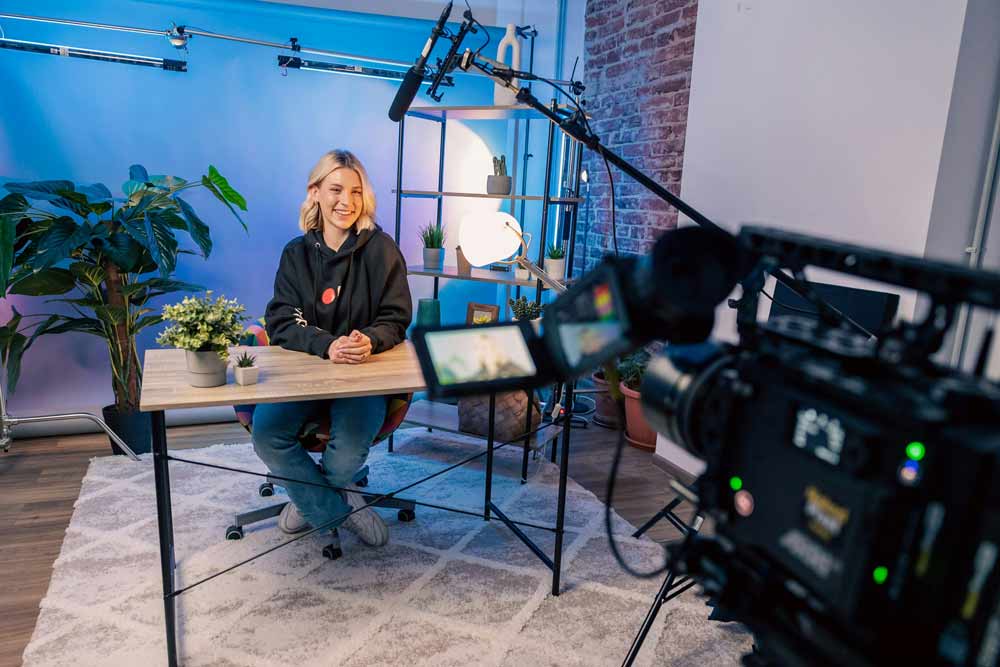
Professional video marketing can revolutionize your local business visibility and customer engagement, driving measurable growth in today's digital landscape.